Exploring The Book of Maps: A Novel Battles Map by Map – A Fresh Perspective

In literature, maps are more than simple illustrations; they are gateways to different worlds. They excite readers with the promise of adventure and discovery. This is especially true for "The Book of Maps," which intricately blends battles and landscapes into a captivating narrative. Let’s embark on a journey exploring this unique work, one map at a time.
The Significance of Maps in Literature
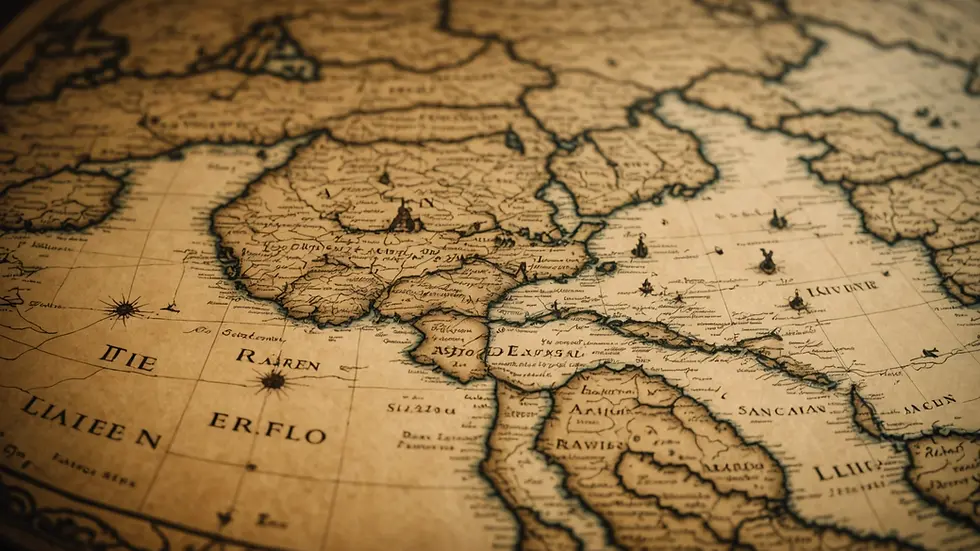
Maps have long been essential in storytelling. They offer a visual representation of the author's imagined world, helping readers picture the settings and events. "The Book of Maps" uses its maps not just as additions but as essential parts of the story. As characters move throughout the novel, they navigate both real landscapes and metaphorical journeys that highlight their conflicts.
Each map symbolizes a different phase in the narrative. For example, a map showing a coastal battle might illustrate how the sea's unpredictability affects the characters' strategies. In one scene, the tide changes, giving one side an unexpected advantage, demonstrating how geography directly impacts the story's direction. This layered approach enhances the reader's experience, deepening their understanding of character motives and the stakes at play.
Character Journeys Through Maps
The characters in "The Book of Maps" are deeply connected to the landscapes they traverse. Each map represents not only physical territory but also the internal struggles of its characters. For instance, when a character climbs a steep mountain, it symbolizes their journey through personal challenges, such as overcoming fear. Here, the mountain represents a daunting obstacle, and the character's climb serves as a metaphor for their growth and determination.
In contrast, another character might wander through a shadowy forest, symbolizing their confrontation with uncertainty. As they navigate through dark paths, readers grasp their anxiety about the unknown. This strong connection between the maps' geography and character development provides a fresh perspective on the interplay between setting and story.

Thematic Elements and Symbolism in the Maps
Maps in "The Book of Maps" layer in significant themes like conflict and identity. They are not just geographical representations; they serve as metaphors for broader concepts. As the plot unfolds, different maps reveal shifts in power dynamics among characters and factions. For example, one map might detail territories controlled by rival clans, illustrating the tension that motivates their conflict.
Color choices also contribute to the storyline. Maps featuring cooler shades may evoke a sense of danger, while warm colors can create a feeling of safety. This visual language enhances the reader's understanding of complex themes, giving them insights into character relationships and emotional landscapes.

Analyzing the Cultural Impact of Maps in the Novel
Maps can act as cultural artifacts within the novel. They reflect the history and traditions of the world created by the author, illustrating the values and beliefs of its societies. Each battle depicted in a map is steeped in cultural significance, revealing the motivations behind the characters’ choices.
For example, the tactics implemented in one battle may stem from a historical event mentioned in the text. This creates a deeper connection between the characters and their world. Additionally, the act of mapping itself raises questions about exploration and territory. Who gets to draw the maps? What stories are left untold? Such considerations invite readers to engage with the narrative on a critical level.
A Reader's Interaction with the Maps
In "The Book of Maps," the relationship between the reader and the maps enriches the storytelling process. Readers are encouraged to trace the routes, compare strategies, and immerse themselves in the geography presented. This interactive experience allows them to feel like active participants rather than passive observers.
Imagining alternate scenarios fosters curiosity. What if a character made a different choice during a battle? How might the outcome change with different conditions? This dynamic encourages readers to explore the narrative beyond the text and engage discussions about their interpretations and theories.
Final Insights on The Book of Maps
"The Book of Maps" invites readers into a complex web of stories intertwined with the landscapes depicted. Its innovative use of maps provides a fresh perspective on the age-old conflict between characters, both outwardly and within themselves.
As you navigate through this literary journey, it becomes clear that each battle links to the surrounding geography. The maps evolve into powerful symbols of struggle, identity, and human connection.
In an era where visual storytelling dominates, "The Book of Maps" reminds us of the significance of maps in literature. They serve not merely as images but as invitations to explore and reflect.
As you conclude this exploration, take a moment to revisit the maps in your own reading experiences. Their potential to deepen your understanding of character dynamics and narrative complexities is limitless.
By offering a fresh look at map usage in literature, "The Book of Maps" rejuvenates our appreciation for storytelling and the vital role geography plays in both our fictional adventures and real-life quests. Dive in and uncover the adventures waiting for you, map by map.


Comments